
Voting is one of the most direct ways Iowans participate in decisions that shape healthcare, education, and communities across the state.
Whether you’re voting for the first time or looking to stay informed, understanding how the process works and how to research candidates helps ensure your voice is part of the conversation.
This guide brings together key dates, resources, and steps to help you navigate voting in Iowa.
Key election dates
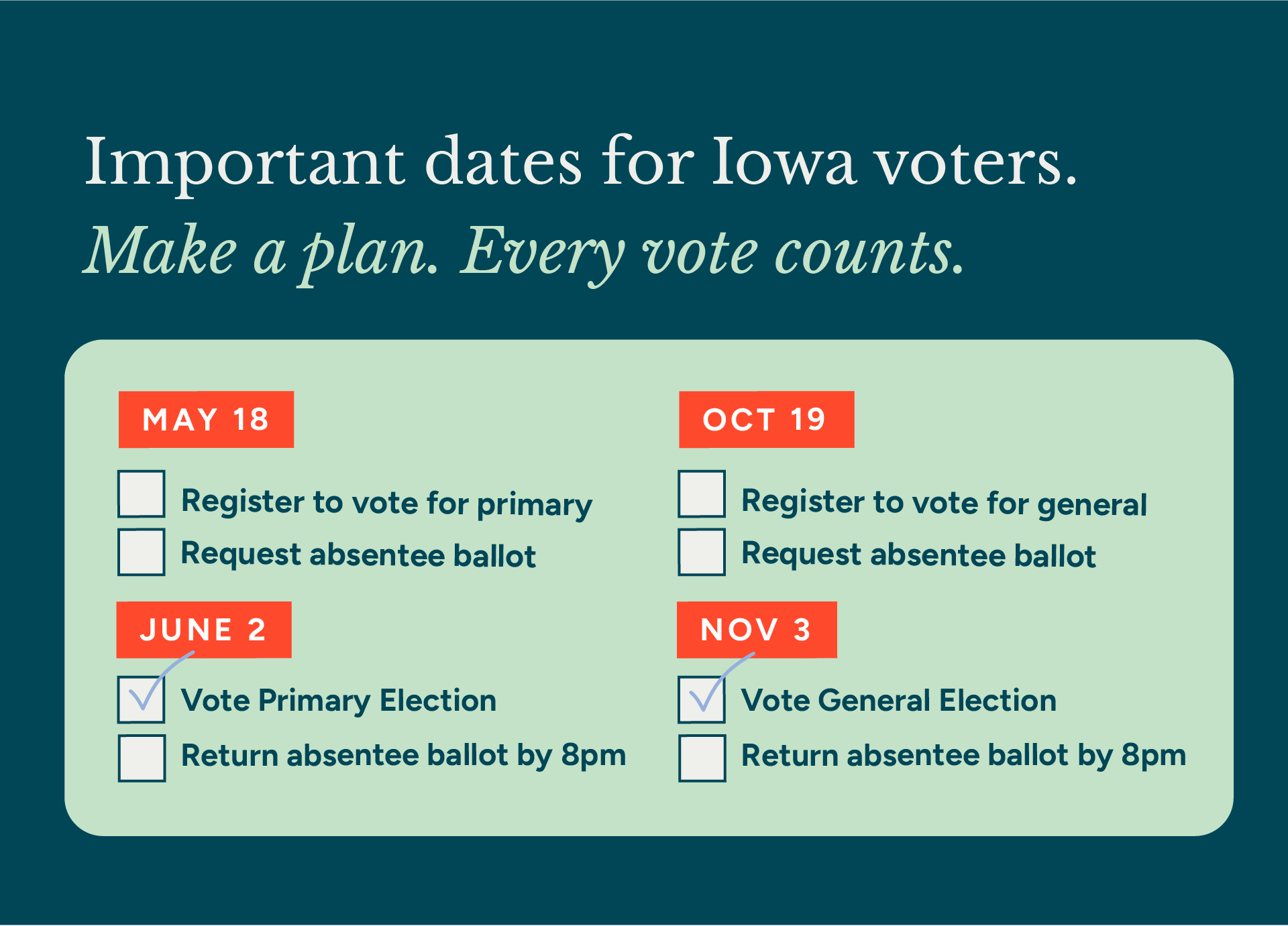
- Primary Election: June 2, 2026
Registration deadline: May 18, 2026 - General Election: November 3, 2026
Registration deadline: October 19, 2026
For full election timelines, view Iowa’s official calendar here.
Why your vote matters
In Iowa, elections can be decided by extremely small margins. In one recent congressional race, the outcome was determined by just six votes.
That’s a reminder that individual participation can directly influence outcomes at the local, state, and national level.
Read more about that race here.

How to register to vote in Iowa
There are multiple ways to register:
1. Register online
- mymvd.iowadot.gov/Account/Login?ReturnUrl=%2fVoterRegistration
- vote.org
- .rockthevote.org/how-to-vote/iowa
2. Register by mail
- Registration form:
sos.iowa.gov/elections/pdf/voteapp.pdf - Rules and requirements:
sos.iowa.gov/voters/voter-registration - County auditor list:
sos.iowa.gov/auditors
3. Register on Election Day
Iowa allows same-day registration.
Learn how here.
Voter ID requirements
View accepted forms of ID here.
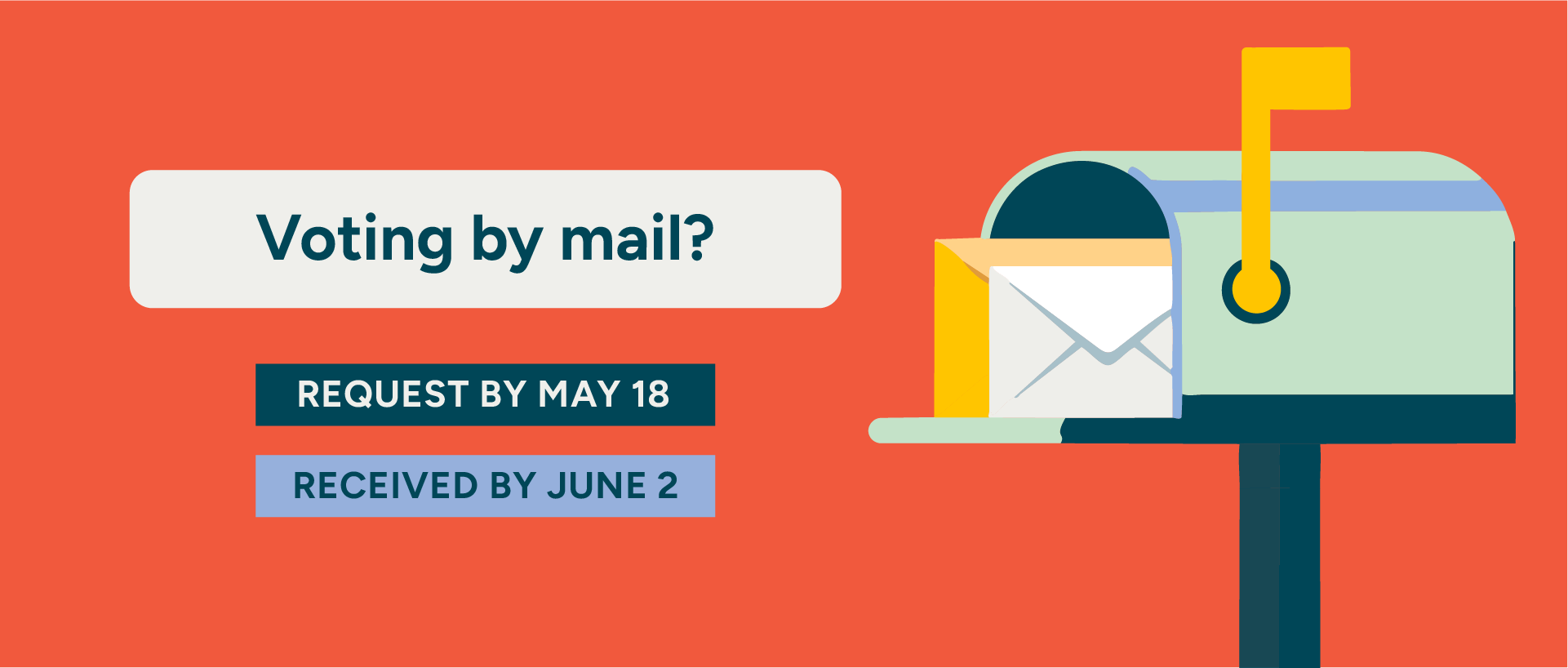
Voting Absentee (By Mail)
If you prefer to vote from home, Iowa allows you to vote absentee by mail. This can be a helpful option if you’re unable to vote in person or want to plan ahead.
Step 1: Request Your Ballot
Your absentee ballot request must be received by your county auditor by:
- May 18, 2026 (for the Primary Election)
- October 19, 2026 (for the General Election)
You can request your ballot through your county auditor or learn more about the process here.
Step 2: Return Your Ballot
Your completed ballot must be received by your county auditor by 8:00 PM on Election Day.
Election Day deadlines:
- June 2, 2026 (Primary)
- November 3, 2026 (General)
Important to Know
- Ballots must be received by Election Day (postmarks do not count)
- You can return your ballot by mail or deliver it in person to your county auditor
- Planning ahead helps ensure your ballot arrives on time
What are primary elections and why do they matter?
Primary elections determine which candidates from each party appear on the general election ballot. Because turnout is typically lower, primary elections can carry more weight in shaping who advances and in some districts, may effectively determine the final outcome.
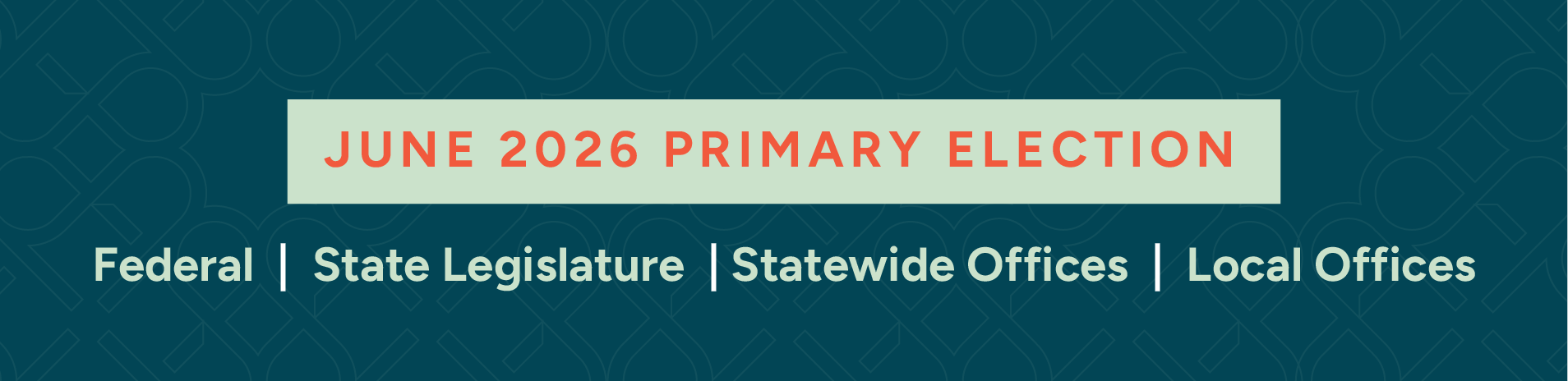
Who’s on the ballot: June 2026 primary
The June 2026 primary will determine which candidates move on to the general election.
Federal Offices
- U.S. House of Representatives (all 4 Iowa seats)
State Legislature
- Iowa House of Representatives (all 100 seats)
- Iowa Senate (25 of 50 seats)
Statewide Offices
Local Offices
- County supervisors
- County attorneys
- Sheriffs and other roles
Explore candidates and races here.
How to understand where candidates stand
Voting isn’t just about showing up, it’s about understanding how elected officials make decisions.
One of the most direct ways to do that is by reviewing voting records.
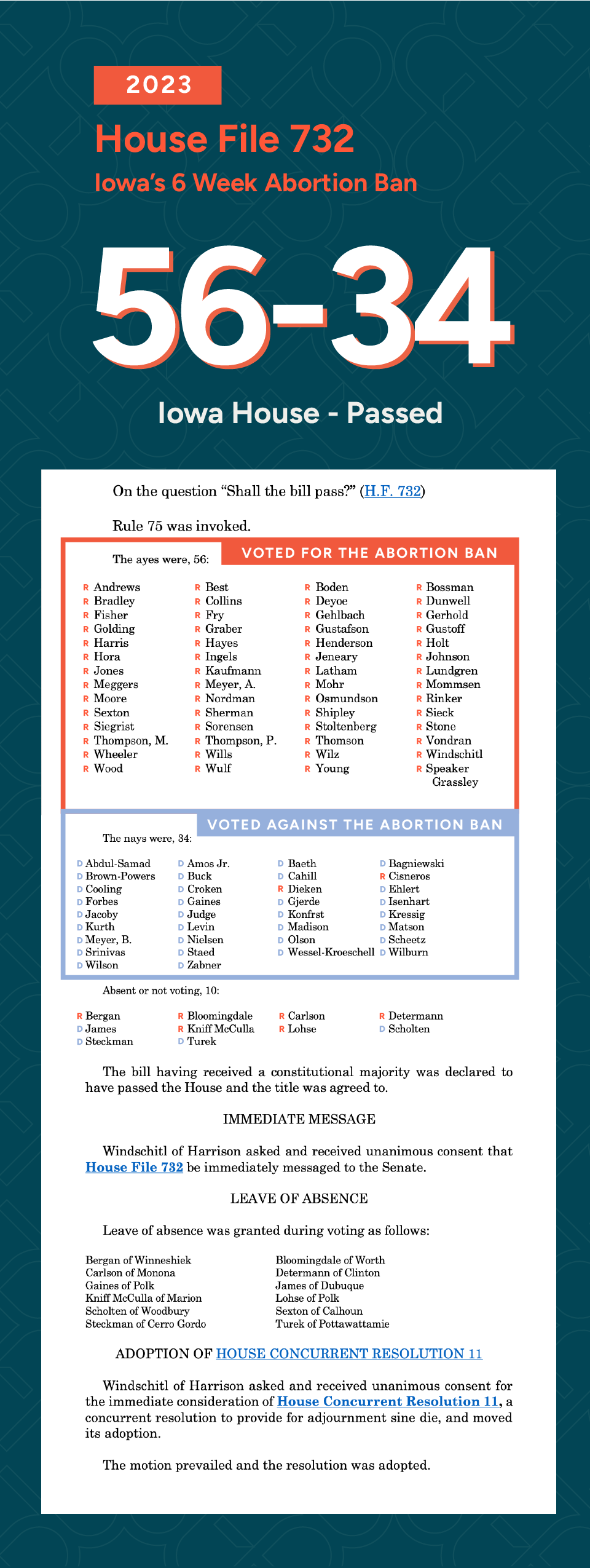
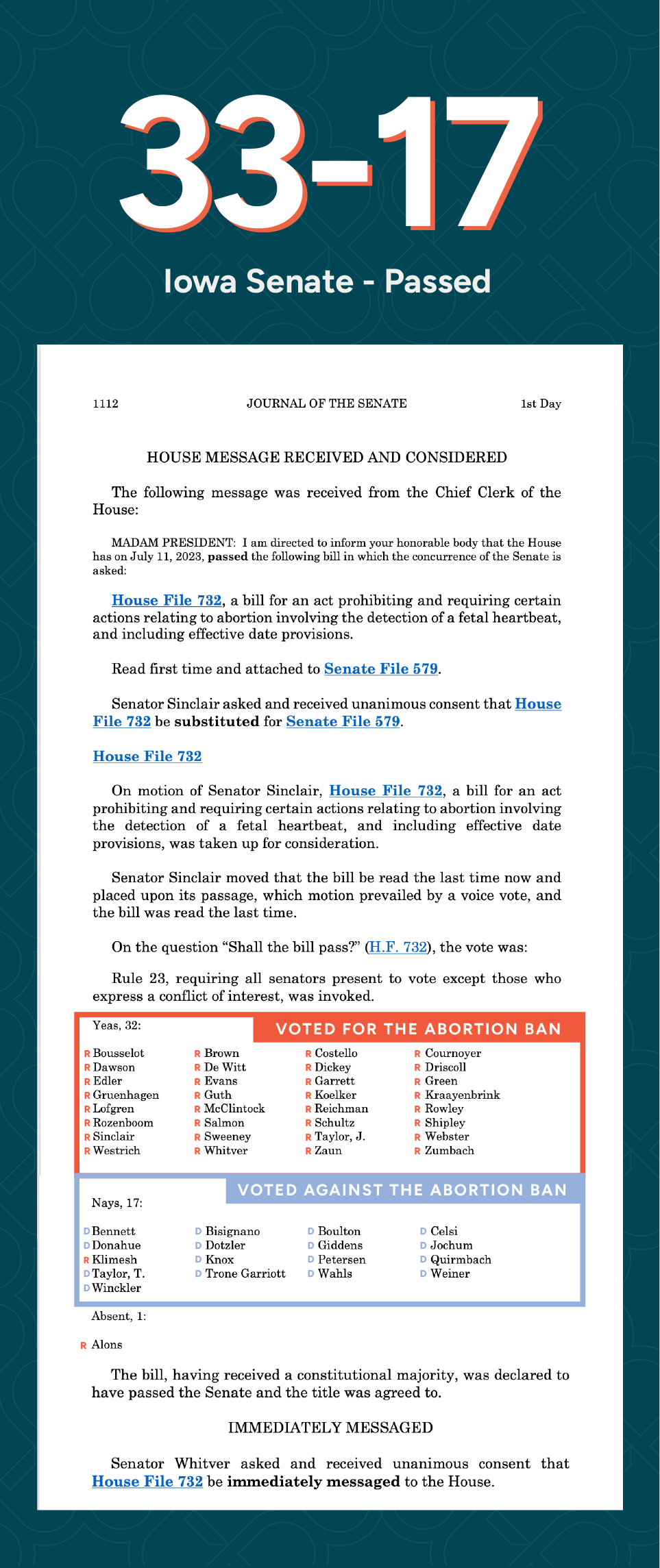
- Iowa Senate Journal:
https://www.legis.iowa.gov/docs/publications/SJNL/20230711_SJNL.pdf#page=18 - Iowa House Journal:
https://www.legis.iowa.gov/docs/publications/HJNL/20230711_HJNL.pdf#page=12
These records show how legislators voted on real bills.
To see how recent healthcare laws in Iowa were passed and how legislators voted, read more here.
Staying informed
Laws that affect healthcare, access, and communities are shaped through this process.
Understanding how legislation works and how elected officials vote is an important part of staying informed and engaged.
The bottom line
Voting in Iowa is accessible, with multiple ways to register and participate, even on Election Day.
If freedom matters to you, the right to vote is one of the most important ways to exercise it.
For more reproductive rights information and updates on Iowa healthcare access, visit our resources page or sign up for our newsletter.
Empower change.
Sign up for our newsletter and stay informed on reproductive healthcare issues in Iowa.