
The 2026 legislative session brought several new proposals affecting reproductive healthcare in Iowa. Some bills advanced. Others failed to move forward. But together they offered a clear picture of where reproductive healthcare policy continues to be debated in our state.
What Passed
HF 2788: New Restrictions on Medication Abortion
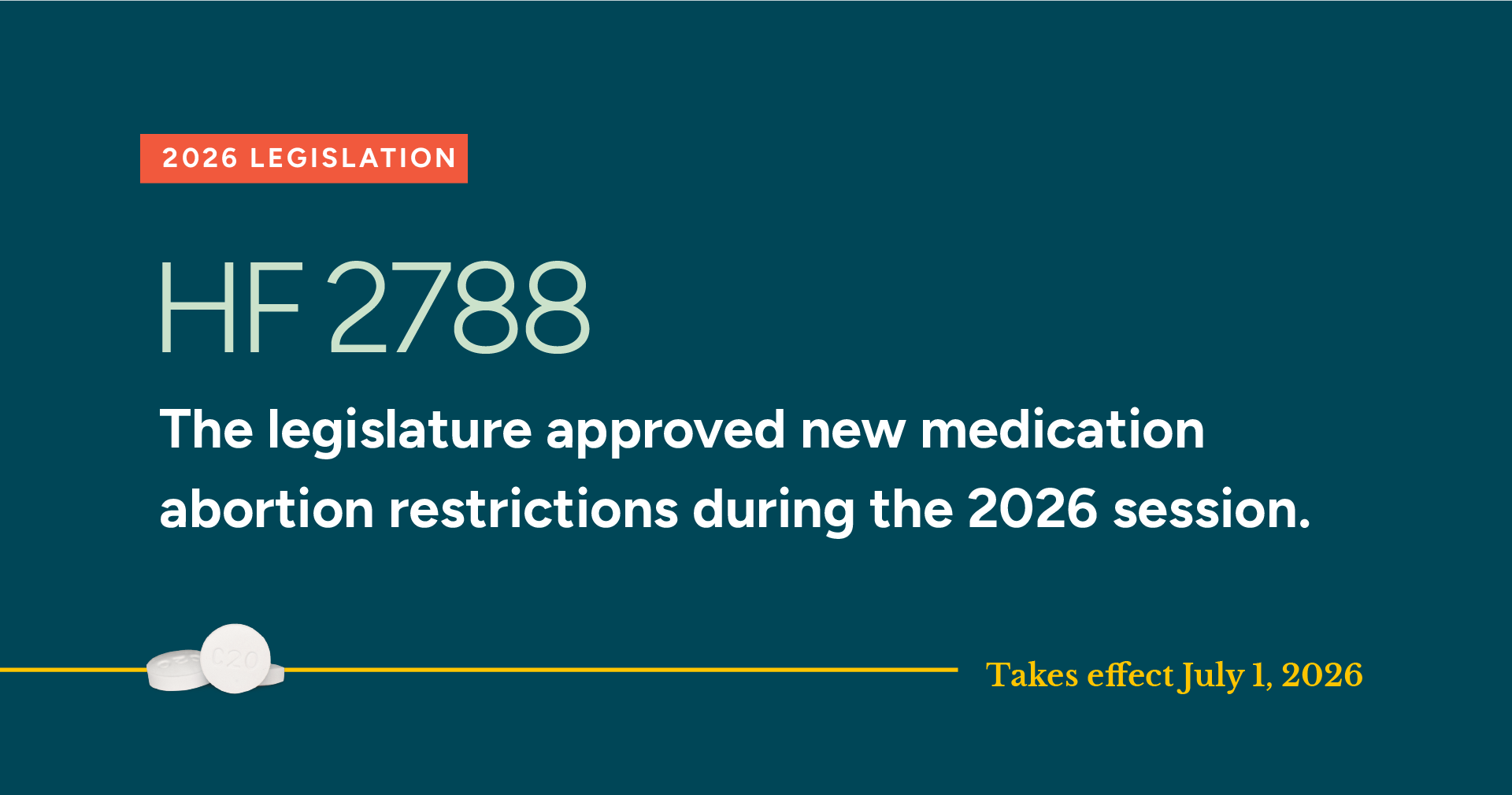
The most significant reproductive healthcare bill passed this year was HF 2788, which was signed by Governor Kim Reynolds and takes effect July 1, 2026. The law creates new restrictions on medication abortion in Iowa, including additional requirements related to telehealth care, patient counseling, and physician reporting.
For many healthcare providers, one of the primary concerns is that these new requirements add legal and administrative barriers to care. Physicians who testified during the legislative process warned that increased reporting obligations, state-mandated counseling language, and additional liability concerns could make providers less willing or able to offer medication abortion care, particularly in rural communities where access is already limited.
What About Abortion Pills by Mail?
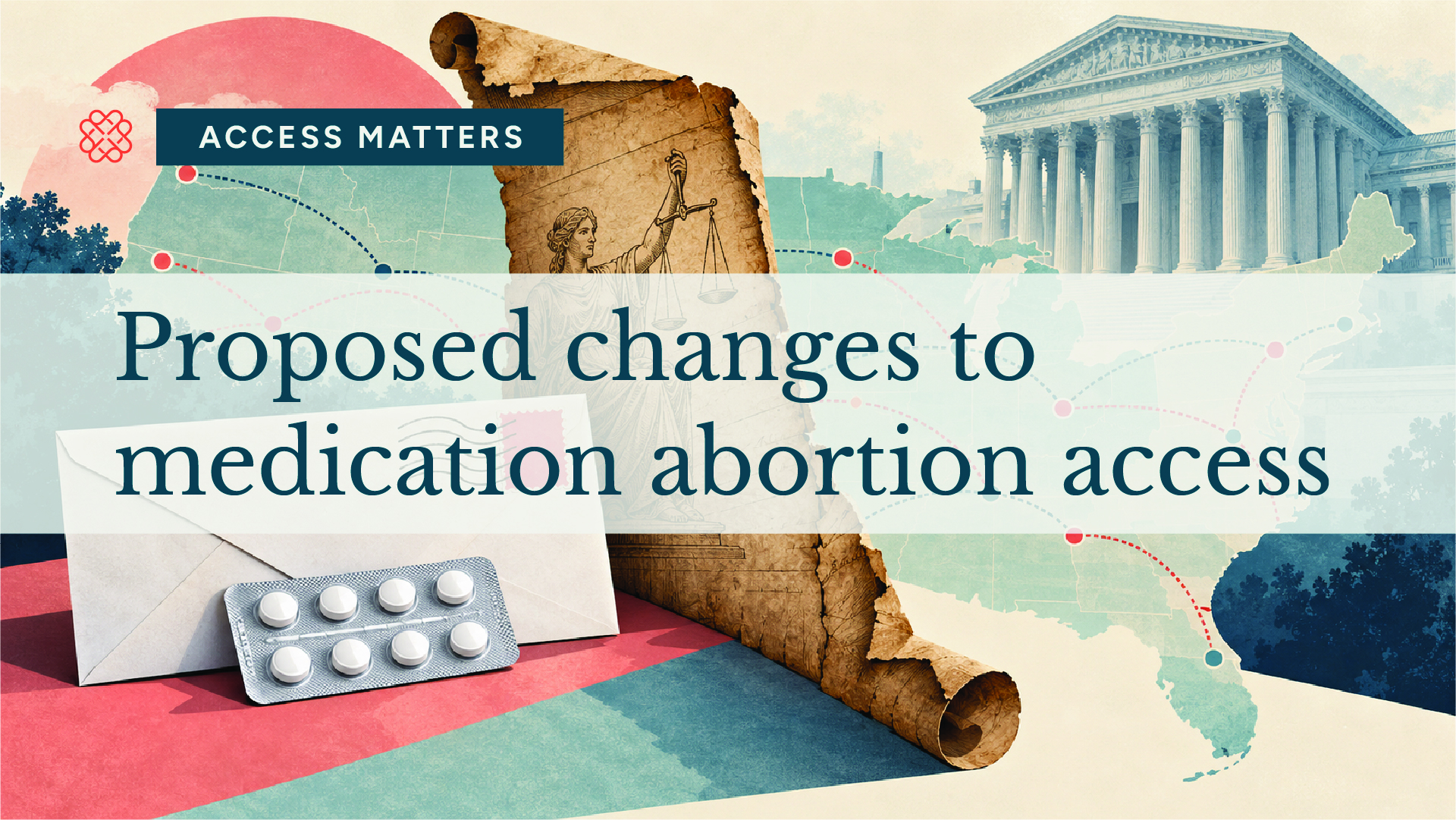
HF 2788 was part of a broader national effort to restrict access to medication abortion. At the same time Iowa was debating this legislation, federal courts were considering whether mifepristone could continue to be prescribed and mailed to patients.
In May 2026, the Fifth Circuit Court of Appeals directed the FDA to impose restrictions on mifepristone, including limiting access by mail. Shortly afterward, the U.S. Supreme Court temporarily blocked that ruling, allowing patients to continue accessing mifepristone through the mail while litigation continues.
As a result, medication abortion remains available by mail under current federal rules. However, Iowa’s new law and ongoing court challenges create uncertainty about what access may look like in the future.
Other Healthcare Laws Taking Effect This Year
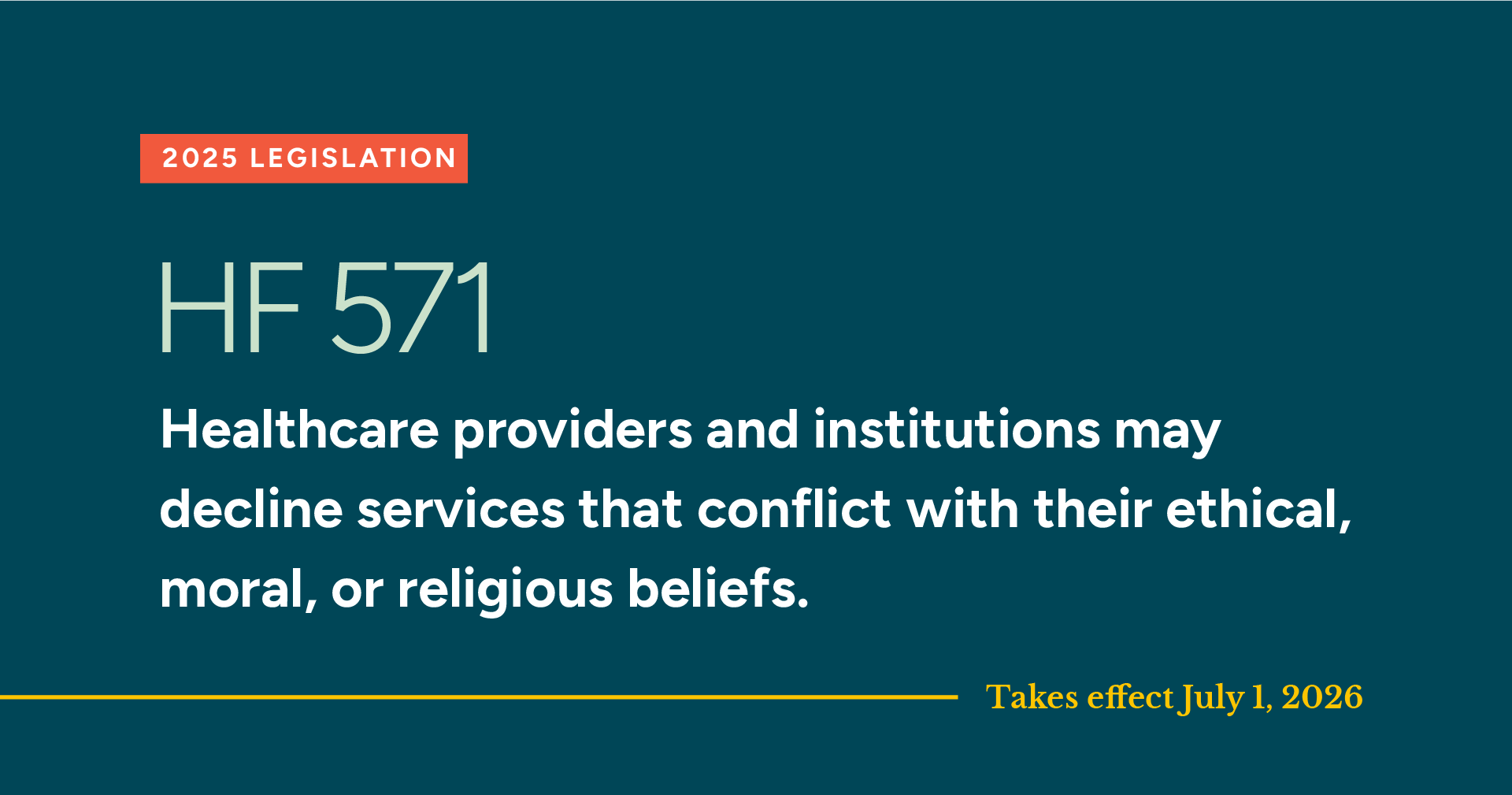
HF 571, passed during the 2025 legislative session and signed into law in May 2026, allows healthcare providers and institutions to decline services that conflict with their ethical, moral, or religious beliefs. The law takes effect July 1, 2026.
Bills That Did Not Advance
Several reproductive healthcare proposals were introduced this year but did not become law.
- HF 2316 — Personhood proposal
- HF 2332 — Criminal penalties proposal
While these bills did not advance, they helped shape many of the policy conversations that occurred throughout the session.
Beyond the Capitol: Healthcare Access Challenges Continue

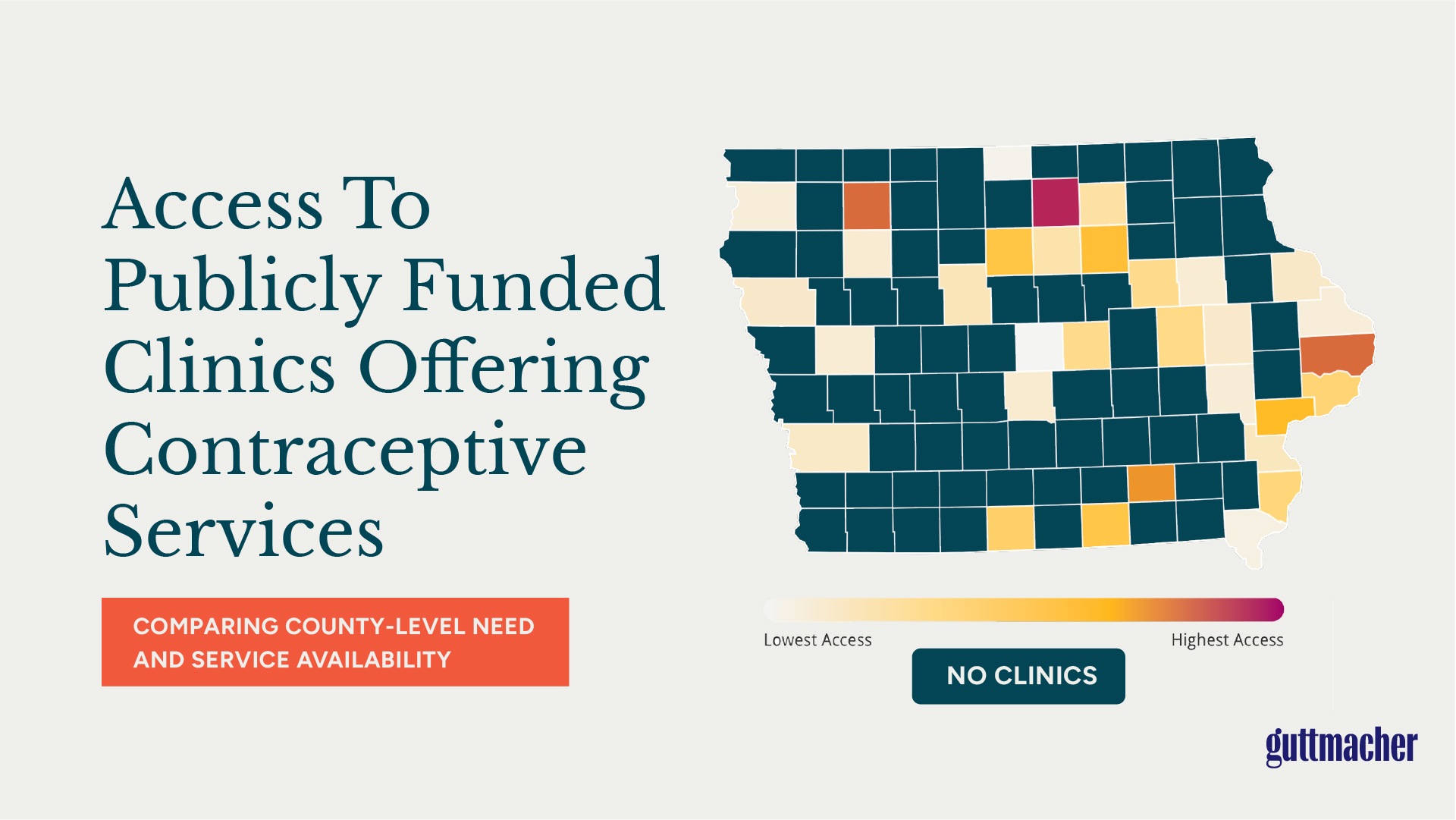
Legislation wasn’t the only healthcare story in Iowa this year. Across the state, communities continue to face provider shortages, clinic closures, and growing maternity care deserts. A maternity care desert is a community with limited or no access to obstetric providers, birthing hospitals, or prenatal care services. More than half of Iowa counties already lack obstetric services.
This year alone, Iowa saw:
- MercyOne announce the closure of family medicine and urgent care clinics in South Des Moines
- The closure of MercyOne’s Ottumwa family medicine clinic
- Labor and delivery services end in Clinton
- Birthing services end in Fort Madison
- Continued reductions in healthcare services across multiple communities
These changes mean longer travel times, fewer local healthcare options, and additional strain on patients and providers.
Read more:
Iowa’s Growing Maternity Deserts
MercyOne Clinic Closures Highlight Growing Healthcare Access Concerns in Iowa
Looking Ahead
The 2026 legislative session may be over, but the conversations around reproductive healthcare, maternal health, and healthcare access in Iowa are not.
Major medical organizations, including ACOG, the American Medical Association, and the World Health Organization, continue to recognize medication abortion as a safe and effective form of healthcare when provided according to established medical guidelines.
As laws, court decisions, and healthcare systems continue to evolve, ICRF will continue sharing evidence-based information and helping Iowans understand how these changes affect healthcare access across our state.
For more reproductive rights information and updates on Iowa healthcare access, visit our resources page or sign up for our newsletter.
Empower change.
Sign up for our newsletter and stay informed on reproductive healthcare issues in Iowa.